The Power of Space Reveals the Difference Between Action and Activity because spaciousness (not busyness) is what unlocks clarity, alignment, and impact.
Mark Twain famously said, “My life has been full of terrible misfortunes, most of which never happened.” This reflection highlights the incessant overthinking and worrying of the human mind. It points to a distinction rarely taught, but crucial to mastering peace in productivity: the difference between action and activity.
Until we learn to train our minds, they “think us,” much like our lungs breathe and our hearts beat. The untrained mind chatters endlessly, creating noise rather than clarity. This freneticism often drives us to fill every moment with activity—busywork, idle chatter, or unnecessary reactions—when true power lies in the stillness of space and the ability to respond from spaciousness.
The Wu Wei Principle of Effortless Action
In Taoist philosophy, the principle of Wu Wei (often translated simply as “no forced action”) teaches us to operate from a place of natural ease and flow. When we live in accordance with Wu Wei, we engage with life intentionally, deliberately, only acting when action is truly required as a conscious response and not as an unconscious reaction.
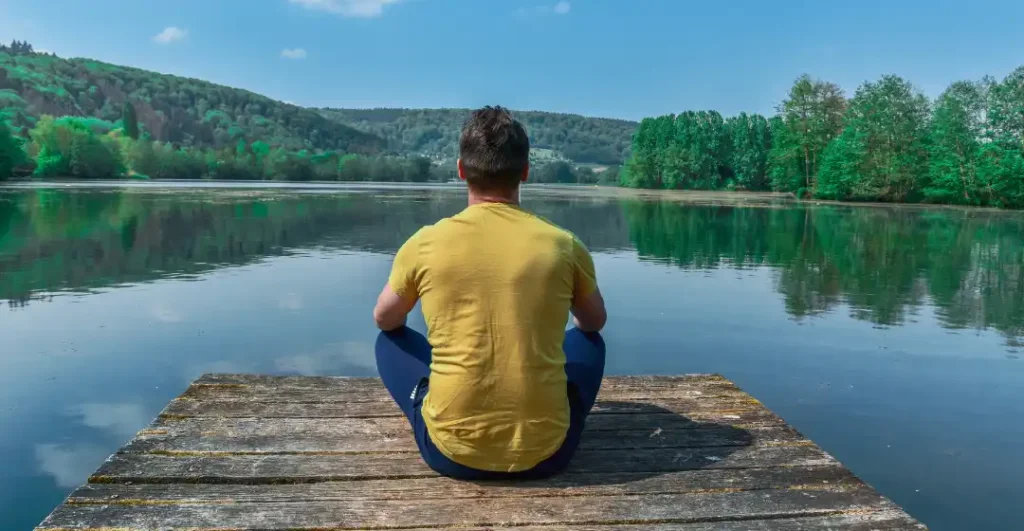
Wu Wei creates space. This space, whether in our thoughts, emotions, or actions, is where clarity and power reside. Rather than being consumed by anxiety or the need to control, we can detach and embrace peace. In this space, we are not compelled to fill silences or act without purpose; instead, we allow the world to unfold, intervening only when necessary, as defined by our intention, our calling and who we are committed to creating ourselves to BE in the world.

The Trap of Action vs Activity
Most of what people consider “productive” is actually mere activity, a reaction to the discomfort of the nothingness of space. Activity often stems from fear: the fear of stillness, of appearing unproductive, or of not having control. We mistakenly equate busyness with power and effectiveness. Yet, much of this effort achieves little and leaves us exhausted.
Activity clutters our emotional, cognitive, and physical lives, gumming up the works with unnecessary motion. In contrast, action arises naturally, intentionally and methodically, guided by alignment. Action is deliberate and impactful, while activity is frenetic and aimless.

The Power of Spaciousness Practice
Lao Tzu beautifully illustrates this idea in the Tao Te Ching:
- “Thirty spokes are joined together in a wheel, but it is the center hole that allows the wheel to function.”
- “We mold clay into a pot, but it is the emptiness inside that makes the pot useful.”
These metaphors remind us that the essence of utility lies in space. Spaciousness is not a void to be filled but the latent source of creative potential; the starting point of creation. It is in the stillness of space that great things are born; art, ideas, and solutions.

Trusting the Moment
When we embrace spaciousness, we begin to trust ourselves. We learn to discern when action is necessary and when it is not. Hartmut Rosa, author of The Uncontrollability of the World, describes moments of profound peace, such as watching a sunset or experiencing the first snowfall. These moments arise not from control, but from surrendering to the uncontrollable, trusting ourselves to navigate life as it comes.
Practicing Action Over Activity
To cultivate spaciousness and shift from activity to action:
- Embrace Silence: Practice being comfortable with quiet, whether alone or with others. Avoid the compulsion to fill silences with idle chatter.
- Observe Before Acting: Before taking action, ask yourself, “Is there a genuine demand for this, or am I simply filling space?”
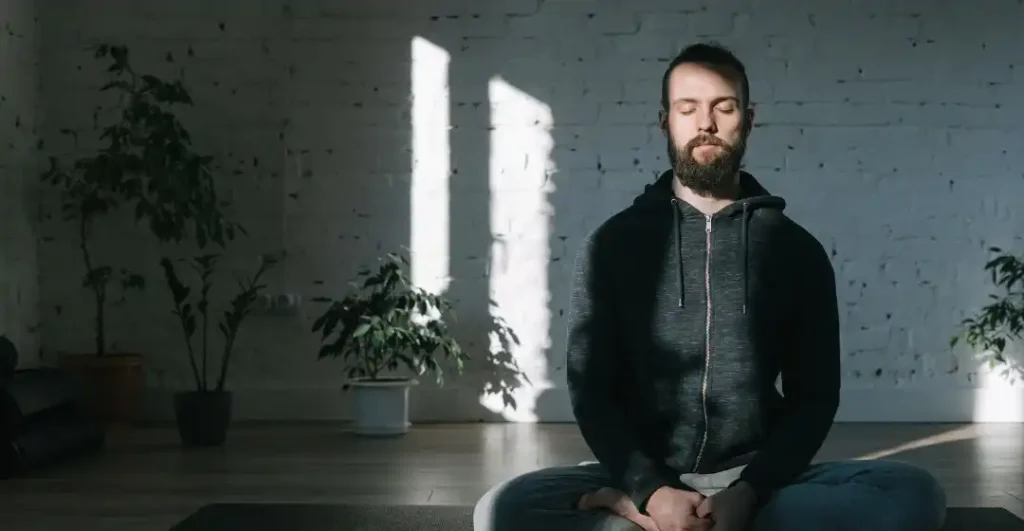
- Create Space: In your physical, emotional, and mental life, remove clutter and allow room for stillness. Meditate, journal, or simply breathe.
- Experiment with Non-Action: Notice moments where non-action might be more powerful than intervention. Observe how situations evolve without your interference.
A New Perspective on Productivity
Living in alignment with the principle of Wu Wei requires shifting our perspective on productivity. True effectiveness doesn’t come from endless busyness, but from intentional, deliberate and aligned action. Spaciousness, though often feared, is the birthplace of all creation and the key to a life of peace and power.
Today, take a moment to observe your own patterns. Are you in action, or are you lost in activity? Experiment with leaving space, and see what emerges from the stillness. You will find that by doing less, you accomplish more.